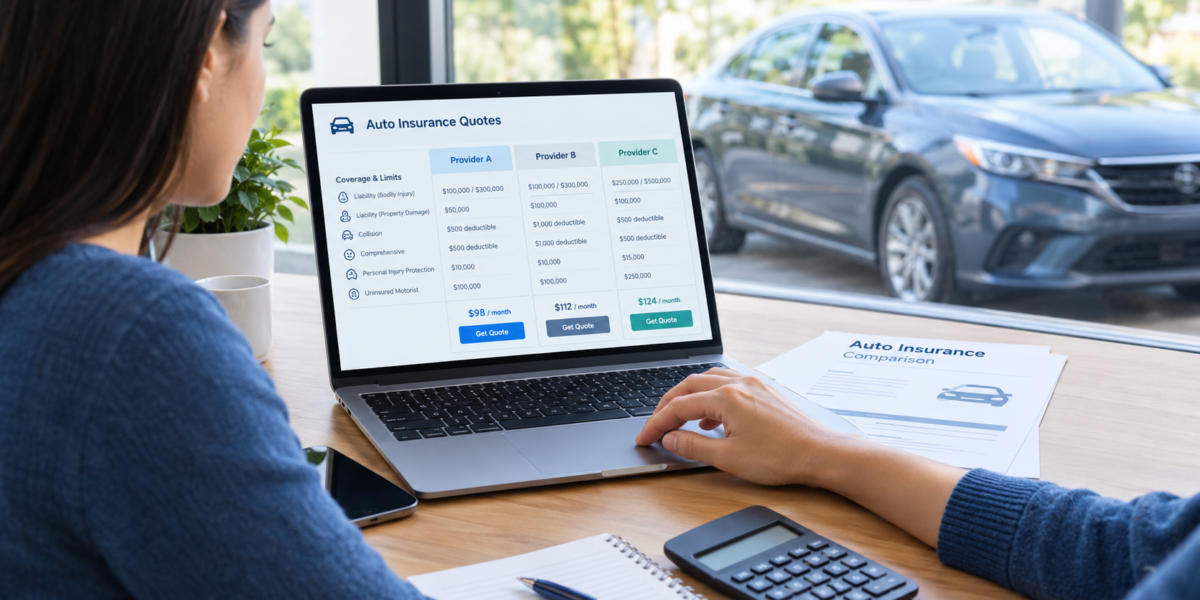
Auto Insurance Quotes: How to Compare Coverage, Costs, and Savings
Finding the right car insurance can be challenging when prices, coverage options, and policy conditions vary between providers. Auto insurance quotes help drivers understand the potential cost of coverage before committing to a policy. By comparing estimates from several insurers, you can evaluate your options, identify differences in protection, and make a more informed financial decision. However, the lowest quoted price does not automatically mean the best value. A policy with a lower premium may include higher deductibles, lower liability limits, or fewer optional benefits. Another policy might cost more but offer protection that better matches your financial circumstances and driving habits. The most useful approach is to compare auto insurance quotes using the same coverage limits, deductibles, vehicle details, and driver information. This makes it easier to understand why prices differ and whether a lower premium comes with important tradeoffs. This guide explains how insurance quotes work, what affects pricing, which coverage options to consider, how to compare providers, and what to check before purchasing a policy. It primarily uses United States insurance terminology because coverage requirements and terminology vary by country.
Table of Contents
What Are Auto Insurance Quotes?
Auto insurance quotes are estimates of the price an insurance company may charge to insure a particular driver and vehicle under specified policy conditions. The estimate usually reflects information such as the driver’s age, driving history, location, vehicle type, annual mileage, selected coverage, and deductible amounts. An insurance quote provides an opportunity to review the expected cost before purchasing coverage. Depending on the insurer and the information provided, the estimate may be preliminary or based on a more detailed review of the application. For example, two companies may provide different prices for the same vehicle and driver. One insurer might assess the driver’s circumstances differently, use a different pricing model, or offer a discount that another company does not provide. A quote is not always a final premium. An insurer may review driving records, claims history, vehicle details, and other permitted information before confirming the price. Incorrect or incomplete information can also lead to a revised estimate. Before accepting an offer, review the proposed policy documents to understand the premium, effective date, coverage limits, exclusions, deductibles, and payment conditions.
Why Compare Auto Insurance Quotes?
Auto insurance quotes Comparing multiple estimates helps you evaluate both price and protection rather than relying on a single offer.
Understand Differences in Pricing
Insurance companies use their own underwriting and rating processes within applicable legal requirements. As a result, two providers may charge different premiums for similar coverage. Obtaining several estimates helps you identify price differences and determine whether they result from coverage choices, discounts, or other rating factors.
Find Coverage That Matches Your Needs
Drivers have different financial responsibilities and vehicle requirements. Someone with an older car that has limited market value may evaluate coverage differently from someone financing a newer vehicle. Comparing options helps you review liability protection, collision coverage, comprehensive coverage, and other available benefits.
Identify Available Discounts
Some insurers offer discounts for eligible drivers, multiple vehicles, bundling home and auto policies, vehicle safety features, low annual mileage, or other qualifying circumstances. Discount availability and eligibility vary by company and location.Auto insurance quotes Always confirm the requirements rather than assuming a discount will apply.
Review Customer and Claims Service
Price is only one consideration. You should also examine an insurer’s financial strength, complaint information, policy servicing options, and claims process. An inexpensive policy may not meet your expectations if communication is difficult or the claims process does not suit your needs. Independent information from insurance regulators and consumer resources can help you investigate these factors.
How to Get Auto Insurance Quotes
The process of requesting estimates is generally straightforward. Preparing the necessary information beforehand can reduce errors and make comparisons more useful.
Step 1: Gather Your Information
Before requesting estimates, collect the details that insurers commonly ask for. These may include:
- Driver’s license and driving history information.
- Vehicle identification number, make, model, year, and trim.
- Vehicle registration and primary parking location.
- Estimated annual mileage and typical vehicle use.
- Information about other household drivers who may need to be listed.
- Existing insurance details, including coverage limits and deductibles.
- Information about accidents, violations, or previous claims when requested. Requirements vary between providers. Submit accurate information and disclose relevant details requested during the application process.
Step 2: Decide What Coverage You Need
Review your financial situation, vehicle value, driving habits, and applicable legal requirements before comparing prices. Determine which liability limits may be appropriate, whether collision and comprehensive coverage are needed, and whether additional protection could be useful. If your vehicle is leased or financed, review the lender’s or leasing company’s insurance requirements. These may require physical damage coverage beyond the minimum required by law.
Step 3: Request Estimates From Multiple Providers
You can obtain estimates through insurance company websites, independent agents, brokers, or online comparison services. Direct insurer websites allow you to explore individual company offerings. Independent agents may help compare policies from multiple insurers they represent. Comparison platforms can simplify the initial process, although they may not include every available provider. For a useful comparison, request similar coverage limits and deductibles from each company.
Step 4: Review Each Quote Carefully
Look beyond the total price. Examine the policy’s coverage limits, deductibles, exclusions, optional benefits, payment schedule, and proposed effective date. Check whether the estimate includes all household drivers and whether the insurer has correctly identified the vehicle and its intended use. If any detail is unclear, ask the insurer or agent to explain it before proceeding.
Step 5: Confirm the Final Premium
A preliminary estimate may change after the insurer verifies the application information. Ask whether the quoted amount is final or subject to further underwriting. Before paying, review the final offer, confirm the start date, and make sure the policy documents reflect the coverage you selected. Do not cancel an existing policy until the replacement coverage is confirmed and active.
Types of Auto Insurance Coverage to Compare
Understanding the main coverage categories makes it easier to evaluate auto insurance quotes accurately. Not every coverage type is required in every location, and the names and benefits can vary.
Liability Insurance
Liability insurance generally helps pay covered costs when you are legally responsible for injuries to other people or damage to their property. Bodily injury liability and property damage liability are commonly listed separately. Each has its own coverage limit, which represents the maximum the insurer will pay for covered claims under the applicable terms. Choosing only the minimum legally required coverage may leave you responsible for costs that exceed your policy limits. Consider your financial circumstances and potential exposure when selecting limits.
Collision Coverage
Collision coverage generally pays for covered damage to your insured vehicle resulting from a collision with another vehicle or object, subject to the policy’s conditions and deductible. It can be relevant if repairing or replacing your car would create a significant financial burden. However, the value of the vehicle and the cost of coverage should be considered together.
Comprehensive Coverage
Comprehensive coverage generally applies to certain noncollision losses, such as theft, fire, vandalism, hail, or other covered events. It does not cover every possible loss. Specific exclusions, conditions, and deductibles are listed in the policy. Lenders and leasing companies may require collision and comprehensive coverage while a vehicle remains financed or leased.
Uninsured and Underinsured Motorist Coverage
This coverage may help protect you when an accident involves a driver who has no insurance or insufficient insurance, depending on the policy and applicable law. The availability, scope, and requirements for uninsured or underinsured motorist coverage vary by state.
Personal Injury Protection and Medical Payments
Personal injury protection, commonly called PIP, may cover certain medical expenses and other specified costs following an accident, depending on state law and policy terms. Medical payments coverage may help pay eligible medical expenses for covered individuals after an accident. These options can overlap with other health or accident benefits, so review their limits and conditions carefully.
Additional Optional Benefits
Insurers may offer roadside assistance, rental reimbursement, towing, glass coverage, or new car replacement options. Auto insurance quotes Consider whether you would use these benefits and whether similar protection already comes from another policy, vehicle warranty, membership, or service provider.
What Affects Auto Insurance Quotes?
The premium offered by an insurer depends on multiple factors. Their relative importance varies by company and jurisdiction.
Driving History
Accidents, traffic violations, and other driving record information may affect the price of coverage. Drivers with a history of certain incidents may receive higher estimates than drivers with comparable profiles and fewer recorded incidents. The length of time an insurer considers and the treatment of individual incidents vary.
Age and Driving Experience
Age and driving experience may influence pricing where permitted by law. Newly licensed drivers may receive higher estimates because insurers may assess their risk differently from that of more experienced drivers. The effect of age depends on the insurer, jurisdiction, vehicle, and other applicant characteristics.
Location
Where you live and regularly park your vehicle can affect pricing. Insurers may consider local accident frequency, theft patterns, repair costs, weather-related losses, traffic density, and claims experience. A change of address can therefore affect a quote even when the driver and vehicle remain the same.
Vehicle Make and Model
The vehicle’s purchase price, repair costs, safety features, theft risk, and claims history may affect the premium. Vehicles with expensive parts or specialized repair requirements may cost more to insure for certain coverage types. A vehicle’s safety equipment may also influence eligibility for particular discounts.
Annual Mileage and Vehicle Use
Driving more miles can increase exposure to accidents, which may affect pricing. Some insurers distinguish between commuting, personal use, and business use. Be accurate about how frequently and for what purposes you drive. Personal auto policies may not provide suitable coverage for certain commercial activities.
Coverage Limits and Deductibles
Higher liability limits can increase the premium because the insurer may have greater financial exposure. Adding optional coverage can also raise the cost. A higher deductible often reduces the premium for the coverage to which it applies, but it means you pay more out of pocket for a covered claim before the insurer contributes.
Insurance History and Other Permitted Factors
Insurers may consider previous coverage, claims history, and other factors permitted by local law. In some United States jurisdictions, credit based insurance information may be used in pricing, subject to applicable restrictions. Ask the insurer which factors influenced your estimate if you want to understand why your price differs from another provider’s offer.
How to Compare Auto Insurance Quotes Side by Side
The most reliable comparison starts with consistent information. If one insurer quotes minimum liability coverage and another includes collision, comprehensive, and higher liability limits, the prices are not directly comparable. Use a simple comparison table to organize the offers you receive.
Comparison factor
What to check
Total premium
Monthly payment and total policy cost
Liability limits
Bodily injury and property damage limits
Collision coverage
Coverage availability and deductible
Comprehensive coverage
Covered noncollision risks and deductible
Medical protection
PIP or medical payments limits, if available
Uninsured motorist coverage
Limits, requirements, and conditions
Optional benefits
Roadside assistance, rental reimbursement, and other extras
Discounts
Eligibility, conditions, and whether the discount is included
Payment conditions
Installment fees, deposits, and payment deadlines
Claims service
Claims process, complaint information, and support options
Compare the Total Cost, Not Just the Monthly Payment
Monthly installments can make a policy appear more affordable, but they may not show the full amount you will pay during the policy term. Check the total premium, applicable fees, installment charges, and payment conditions. Also confirm whether the price assumes payment in full or a different billing arrangement. If an insurer offers a lower price for paying the premium upfront, compare that offer with the total installment cost before deciding which payment method fits your budget.
Check the Deductible Before Choosing a Policy
Suppose one policy has a lower premium but a $1,500 collision deductible, while another has a higher premium and a $500 deductible. The first policy may cost less during the year, but you would generally need to cover a larger portion of an eligible collision claim. Consider how much you could comfortably pay from savings if your vehicle needed repairs after a covered incident. A deductible should not be selected only to obtain a lower quoted price. It should reflect your ability to absorb an unexpected expense.
Examine Exclusions and Coverage Limits
Insurance policies contain conditions and exclusions that determine when protection applies. Some policies may limit coverage for particular vehicle uses, drivers, equipment, or circumstances. Read the policy wording and ask questions about situations that matter to you. A lower premium may reflect narrower protection rather than a better price for equivalent coverage.
How to Find Affordable Auto Insurance Quotes
Finding affordable coverage involves balancing the premium against the financial risks you want to protect against. Several practical steps can help you investigate possible savings without automatically reducing important protection.
Shop Around Regularly
Request estimates from several insurers when buying a new vehicle, approaching renewal, moving, or experiencing another significant change in circumstances. Even if your current policy has been suitable, other insurers may assess your situation differently. Review prices periodically, but compare the same coverage and check any cancellation or switching conditions.
Ask About Available Discounts
Ask each insurer which discounts may apply to your circumstances. Depending on the provider, possible options include:
- Safe driving or claims free discounts.
- Multiple vehicle discounts.
- Home and auto policy bundles.
- Low mileage programs.
- Eligible vehicle safety or anti theft equipment.
- Approved driver education courses.
- Student discounts for qualifying drivers.
- Automatic payments or paperless billing. Not all insurers offer every discount, and some discounts may be subject to eligibility rules or verification. Compare the final premium after applicable discounts rather than focusing on the advertised discount percentage.
Review Optional Coverage
Consider whether every optional benefit remains appropriate for your needs. For example, roadside assistance may duplicate an existing membership, or rental reimbursement may be less useful if you have another reliable transportation option. For older vehicles, compare the cost of collision and comprehensive coverage with the vehicle’s current market value, the deductible, and the amount you could afford to lose. Do not remove protection without considering the financial consequences of an uninsured loss.
Consider a Higher Deductible Carefully
Increasing a deductible can reduce the premium for certain types of coverage. However, the savings should be weighed against the additional amount you may have to pay after a covered claim. Before changing your deductible, compare the actual premium difference and make sure you have enough accessible savings to handle the higher out of pocket expense.
Maintain Accurate Information
Incorrect mileage, an outdated address, missing household drivers, or an inaccurate description of vehicle use can affect a quote. Review every application carefully. If your circumstances change, notify the insurer when required under your policy or applicable rules. Accurate information supports a more reliable estimate and reduces the risk of problems when the insurer reviews an application or claim.
Explore Usage Based Insurance
Some insurers offer programs that consider driving behavior or mileage when determining premiums. Depending on the program, factors may include braking, acceleration, driving time, or total distance traveled. These programs can be worth investigating if they fit your driving habits. However, understand what data is collected, how it is used, and whether poor driving scores or other measured behaviors could increase your premium. Program rules and pricing effects vary by insurer.
Online Auto Insurance Quotes: Benefits and Limitations
Online quote tools allow drivers to review coverage options without immediately speaking with an agent. They can be useful for initial research, but they should not replace a careful review of the policy.
Benefits of Online Quotes
Online tools can make it easier to request several estimates, adjust deductibles, explore coverage limits, and identify questions to ask before purchasing insurance. Many insurers also provide online account access, electronic documents, payment options, and claims information. The convenience can be particularly helpful when comparing multiple providers or reviewing coverage outside normal business hours.
Limitations of Online Quotes
Not every insurer provides an immediate or binding quote online. Some websites offer estimates that require additional verification, while others may direct your information to an insurance agent or partner. Comparison platforms may not represent every insurer in your market. Their displayed results may depend on the companies participating in the service and the information you provide. You should also consider privacy when submitting personal information. Review the website’s privacy policy, understand whether your information may be shared with third parties, and avoid providing sensitive details to an unfamiliar service before checking its legitimacy.
Direct Insurers, Agents, and Comparison Websites
Direct insurers allow you to request prices from a specific company. Independent agents may compare products from multiple insurers they represent, while exclusive agents generally represent one insurer. Comparison websites can help organize estimates from participating providers. Each method has limitations. No single approach necessarily shows every available option, so consider combining online research with direct insurer contact when appropriate.
Common Mistakes to Avoid When Requesting Quotes
Small errors during the shopping process can lead to misleading comparisons or unexpected costs.
Choosing Only the Cheapest Premium
The lowest price may come with lower coverage limits, a higher deductible, or fewer benefits. Compare the protection provided and decide whether it addresses the risks you want to manage.
Providing Inconsistent Information
If you enter different mileage estimates, vehicle details, driver information, or coverage limits for different companies, the results may not provide a fair comparison. Use the same accurate information wherever possible.
Ignoring Policy Exclusions
A policy’s headline coverage description does not explain every limitation. Read the terms that determine what is covered, what is excluded, and what conditions apply to claims.
Overlooking Fees and Payment Terms
Review installment charges, upfront payments, late payment conditions, and any other disclosed costs. A low monthly amount does not necessarily represent the lowest total cost.
Forgetting to Confirm the Effective Date
A quote does not necessarily mean that coverage is active. Confirm that the insurer has accepted the application, the required payment has been made, and the policy’s effective date has arrived. When switching insurers, avoid a gap in coverage. Do not assume a new policy has started simply because you completed an online form.
Failing to Recheck Renewal Pricing
Your premium may change at renewal because of changes in your circumstances, claims experience, repair costs, insurer pricing, or other factors. Review renewal documents carefully and obtain fresh estimates if you want to compare alternatives. Make sure any replacement policy is active before ending the existing one.
When Should You Request New Auto Insurance Quotes?
There is no single schedule that suits every driver, but certain situations make comparison shopping especially relevant.
Before Buying a Car
Obtain estimates for the vehicle you are considering before completing the purchase. Insurance costs can differ significantly between vehicle models, so the premium should be included in your ownership budget.
Before Your Policy Renews
Review the renewal premium, coverage limits, deductibles, and any policy changes. Comparing alternatives before the renewal date gives you time to ask questions and arrange a replacement if needed.
After Moving
A new address may affect the price of coverage because local driving conditions, theft patterns, and claims costs can differ. Update your insurer and request new estimates when appropriate.
After Changes to Your Driving Habits
If you begin working from home, significantly reduce your mileage, or change how you use your vehicle, ask your insurer whether your current policy details and pricing remain appropriate.
When Your Financial Circumstances Change
Changes in savings, vehicle value, household responsibilities, or transportation needs may affect how much risk you can reasonably retain and how much protection you want to purchase. Review your policy in light of those changes rather than automatically selecting the cheapest available estimate.
How to Evaluate an Insurance Company Before Buying
An attractive quote is only one part of the decision. Before purchasing a policy, check whether the insurer is authorized to sell insurance in your jurisdiction and investigate its service record. In the United States, your state insurance department can help you verify licensing and may provide consumer complaint information or comparison resources. The National Association of Insurance Commissioners also publishes consumer education material about auto insurance and shopping for coverage.
Review the insurer’s financial strength using information from recognized rating organizations, while remembering that ratings assess specific aspects of financial capacity and are not guarantees that every claim will be paid. Look for clear explanations of claims procedures, repair arrangements, dispute handling, and customer support. Check how the insurer communicates with policyholders and whether its available services meet your needs. Before accepting an offer, review the declarations page and the complete policy documents. Confirm the insured drivers, vehicle details, coverage limits, deductibles, premium, and policy dates. The declarations page summarizes important policy information, while the full contract explains the conditions and exclusions that apply
If an agent or representative provides information that differs from the written policy, request clarification in writing before purchasing coverage.
6. FAQ SECTION
How many auto insurance quotes should I compare?
Comparing at least three estimates is a useful starting point. Request more if needed, especially when coverage, pricing, or service options differ considerably. Use consistent information and coverage limits for a meaningful comparison.
Are online auto insurance quotes accurate?
Online estimates can be useful, but the final premium may change after the insurer verifies information and completes underwriting. Confirm whether the price is preliminary or final before purchasing coverage.
Does getting an auto insurance quote affect my credit score?
Requesting an insurance quote does not generally affect your credit score in the same way as applying for a new loan. However, insurers in some U.S. states may use credit based insurance information where permitted. Ask the insurer how it handles this information and check the rules in your state.
What information do I need to get a car insurance quote?
You may need your driver’s license details, vehicle identification number, vehicle registration, driving history, estimated annual mileage, address, household driver information, and current coverage details.
Can I change my auto insurance company at any time?
You can generally switch insurers before your policy expires, subject to the policy terms and applicable requirements. Check cancellation conditions, possible fees, and refund rules. Confirm that your replacement policy is active before ending your current coverage.
Why are auto insurance quotes different for the same driver?
Insurers use different underwriting methods, rating factors, discounts, and pricing models. Differences in coverage limits, deductibles, payment arrangements, or application details can also produce different estimates.
Is minimum liability coverage enough?
Minimum liability coverage may satisfy a legal requirement in your jurisdiction, but it may not cover every expense arising from a serious accident. Consider the potential costs beyond the policy limits and review your financial circumstances before choosing coverage.
Can I get auto insurance quotes without buying a policy?
Yes. You can generally request estimates and compare options without purchasing a policy immediately. Some providers may request contact information or share details with agents under their disclosed privacy practices, so review the terms before submitting your information.
When is the best time to compare auto insurance prices?
Useful times include before buying a vehicle, before renewal, after moving, or when your mileage and vehicle use change. You can also compare prices periodically to see whether another provider offers suitable coverage at a different cost.
What is the difference between a quote and a premium?
A quote is an estimate or offer of the price for specified coverage. The premium is the amount charged for the insurance policy. A preliminary quote may change after verification, while the final premium is stated in the accepted policy documents.
Final Thoughts on Auto Insurance Quotes
Comparing auto insurance quotes is a practical way to understand your options before purchasing or renewing a policy. The process becomes more useful when you compare consistent coverage limits, deductibles, driver details, and vehicle information across multiple providers. Start by identifying the protection you need and the premium you can reasonably afford. Request several estimates, examine the total policy cost, investigate potential discounts, and evaluate the insurer’s licensing, financial strength, and claims service. Remember that the cheapest quote is not necessarily the most suitable policy. A higher deductible, lower liability limit, or excluded benefit can change the financial consequences of an accident. Take time to read the policy terms, ask questions about unclear conditions, and confirm the effective date before switching coverage. With careful research and a consistent comparison process, you can make a more informed decision about the balance between insurance costs and financial protection. The objective is not simply to obtain a low price. It is to select coverage that fits your vehicle, driving habits, financial responsibilities, and local insurance requirements.
You may aslo find blog on below
Interest Calculator Credit Card
Related Wealth Articles

Working Capital Management Tutorial Explained: A Practical Guide
Working capital management is the process of managing a business’s short-term assets and liabilities to support daily operations,…

Capital One Auto Navigator: A Guide to Car Shopping and Financing
What Is Capital One Auto Navigator? Capital One Auto Navigator is a car-shopping and financing platform designed to…