Best Travel Insurance Companies: How to Compare Plans
Finding the best travel insurance companies is not simply about choosing the company with the lowest price or the longest list of benefits. The right choice depends on where you are traveling, your trip cost, your age, existing health coverage, planned activities, and the risks you want the policy to cover.
Travel insurance can help protect against certain unexpected costs related to trip cancellation, interruption, delays, medical emergencies, evacuation, and baggage problems. However, every policy has its own limits, conditions, exclusions, and eligibility requirements. The National Association of Insurance Commissioners recommends checking exactly what a policy covers and does not cover before purchasing it.
Because insurance products and regulations vary by country, there is no single travel insurance company that is automatically the best choice for every traveler. Instead, compare the coverage offered by eligible providers and select a policy that matches your actual trip.
What Does Travel Insurance Cover?
Travel insurance is designed to protect travelers against certain financial losses or emergencies associated with a trip. Coverage depends on the specific policy.
Common types of travel insurance protection include:
| Coverage | What it may help with |
|---|---|
| Trip cancellation | Certain prepaid, nonrefundable expenses when a covered reason prevents travel |
| Trip interruption | Eligible expenses when a covered event causes you to cut a trip short |
| Travel medical | Certain medical treatment for illness or injury during a trip |
| Emergency medical evacuation | Eligible transportation to an appropriate medical facility or, where covered, transportation home |
| Baggage protection | Certain losses, theft, or damage involving baggage and personal belongings |
| Travel delay | Certain additional expenses caused by a covered delay |
| Cancel for Any Reason | Broader cancellation flexibility under specific eligibility and timing rules |
The exact definition of each benefit matters. For example, trip cancellation does not generally mean you can cancel for any reason and automatically receive a full refund. Standard cancellation coverage normally applies only when the reason for cancellation is covered by the policy.
The U.S. Department of State also recommends travelers review medical coverage, emergency medical transportation, trip cancellation coverage, destination validity, trip length, current medical conditions, and planned activities before purchasing travel insurance.
Why There Is No Universal Best Travel Insurance Company
Searches for the best travel insurance companies can make it sound as though one provider should work for everyone. In practice, travel insurance is highly dependent on the traveler and the trip.
A policy that works well for a short domestic vacation may not provide the same value for an expensive international trip. Similarly, a traveler participating in skiing, scuba diving, hiking, or another higher risk activity may need coverage that specifically addresses those activities.
The best company for a particular traveler may depend on:
• Country of residence
• Destination
• Trip duration
• Total prepaid trip cost
• Traveler age
• Existing health insurance
• Pre existing medical conditions
• Planned activities
• Cancellation concerns
• Medical evacuation requirements
• Baggage needs
• Available policy upgrades
• Policy exclusions and limitations
This is why comparing the actual policy wording is more useful than choosing a company based only on a general reputation or headline price.
What to Look for When Comparing Travel Insurance Companies
1. Emergency Medical Coverage
Medical coverage can be one of the most important parts of international travel insurance.
Before purchasing a policy, check the maximum medical benefit, deductible or excess, eligible treatment, exclusions, and whether the insurer requires authorization before certain medical services.
Also check whether your existing health insurance already provides international coverage. The U.S. Department of State advises travelers to review their health insurance before traveling because domestic coverage may not provide the protection they expect abroad.
2. Emergency Medical Evacuation
Medical evacuation can become particularly important when traveling to remote destinations or places with limited medical facilities.
Evacuation coverage can help with eligible emergency transportation to an appropriate medical facility and, depending on the policy, transportation back to the traveler’s home country.
Do not assume that medical coverage automatically provides unlimited evacuation protection. Review the policy’s specific limits, conditions, transportation requirements, and exclusions.
3. Trip Cancellation Coverage
Trip cancellation coverage can reimburse eligible prepaid and nonrefundable travel expenses when a covered event prevents you from taking the trip.
Covered reasons can include certain illnesses or injuries, qualifying family emergencies, severe weather, or other events specifically listed in the policy. The actual covered reasons vary between policies.
When comparing providers, look beyond the cancellation limit. Read the list of covered reasons and determine whether those reasons realistically match your concerns.
4. Trip Interruption Coverage
Trip interruption coverage applies after your journey has started and may help with eligible unused expenses or additional costs when a covered event forces you to end or change your trip.
For example, a qualifying medical emergency could cause a traveler to return home earlier than planned.
Check whether the policy covers transportation changes, unused prepaid arrangements, accommodation, and other additional expenses, because the details differ between plans.
5. Travel Delay Protection
Flight delays can create unexpected expenses for accommodation, transportation, and meals.
Some policies provide travel delay benefits when a delay meets the policy’s required length and is caused by a covered event.
Do not assume every delay is covered. Review the minimum delay period, maximum reimbursement, qualifying reasons, and documentation requirements.
6. Baggage and Personal Belongings
Baggage coverage can provide protection for eligible lost, stolen, or damaged belongings.
However, limits can apply to individual items, categories of property, and the total claim. Some belongings may also have special conditions.
Before purchasing extra baggage protection, check whether another source already provides coverage. NAIC notes that homeowners insurance and certain credit cards may provide some travel related protection, although the extent of that coverage varies.
7. Pre Existing Medical Conditions
Pre existing conditions require particular attention.
A policy may exclude certain existing medical conditions or provide coverage only when specific requirements are met. Some plans may offer a waiver under defined conditions and within a particular purchase window.
Never assume that purchasing travel insurance automatically means an existing condition is covered.
Read the policy definition of pre existing condition and check the eligibility requirements before buying.
8. Cancel For Any Reason Coverage
Cancel For Any Reason, commonly called CFAR, is different from standard trip cancellation coverage.
It can provide broader cancellation flexibility, but it typically has eligibility requirements, purchase deadlines, cancellation deadlines, and reimbursement limitations.
NAIC notes that CFAR generally reimburses only part of eligible trip expenses rather than automatically providing a full refund.
For travelers considering CFAR, the key question is not simply whether the company offers it. The important question is whether the actual terms make sense for the trip.
How Much Does Travel Insurance Cost?
Travel insurance pricing depends on factors such as the trip cost, destination, traveler age, coverage selected, and policy features.
There is no single price that applies to every traveler.
For example, a policy covering an expensive international trip may cost more than protection for a lower cost trip. Additional benefits and upgrades can also affect the premium.
For U.S. consumers, the NAIC says travel insurance policies usually cost about 5% to 10% of the total trip price, although actual pricing varies based on factors including destination, age, season, and coverage.
Because that pricing guidance is specific to the U.S. insurance market, travelers elsewhere should check prices from providers serving their country of residence.
Should You Choose the Cheapest Travel Insurance Company?
Price is useful when comparing travel insurance, but it should not be the only factor.
A cheaper policy may have lower medical limits, higher deductibles, narrower cancellation reasons, more exclusions, or less baggage protection.
Instead of comparing only premiums, compare the policy’s overall protection.
A useful comparison should include:
• Premium
• Medical coverage limit
• Emergency evacuation limit
• Cancellation limit
• Interruption limit
• Delay coverage
• Baggage coverage
• Deductible or excess
• Exclusions
• Pre existing condition rules
• Activity restrictions
• Assistance availability
• Claim requirements
The goal is not necessarily to buy the cheapest policy. It is to understand what protection you are actually purchasing for the price.
How to Compare Travel Insurance Companies Step by Step
Step 1: Calculate Your Financial Exposure
List the prepaid and nonrefundable expenses connected to your trip.
Consider flights, accommodation, tours, cruises, transportation, and other eligible arrangements.
The more money you could lose from a covered cancellation or interruption, the more important the relevant coverage limits become.
Step 2: Check Your Existing Coverage
Before buying a new policy, review your existing health insurance, homeowners or renters insurance, and credit card benefits.
You may already have some protection, although the limits and exclusions may be different from what you need.
NAIC specifically recommends checking whether existing insurance or credit card benefits already provide travel related protection.
Step 3: Identify Your Biggest Travel Risks
Think about the actual trip rather than buying every available benefit.
For an international trip, medical and evacuation coverage may deserve particular attention.
For an expensive cruise or vacation package, cancellation and interruption protection may be more important.
For an adventure trip, check whether the activities are covered.
Step 4: Compare Policy Documents
Do not compare companies based only on advertisements or summary tables.
Read the policy documents, including definitions, exclusions, conditions, benefit limits, and claim requirements.
The policy wording determines how coverage works.
Step 5: Check Purchase Deadlines
Some benefits or waivers may require the policy to be purchased within a particular period after the initial trip payment.
Waiting too long can affect eligibility for certain coverage.
NAIC advises buying travel insurance early because coverage for a known event may not be available after the event has become foreseeable.
Step 6: Confirm Assistance Options
Check whether the provider offers assistance during your trip and how you can contact it.
For international travel, knowing how to reach the insurer during an emergency can be particularly important.
The U.S. Department of State recommends checking whether a travel insurance provider offers a 24 hour help line.
Common Mistakes When Buying Travel Insurance
Choosing a Company Based Only on Price
The lowest premium does not necessarily provide the coverage you need.
Ignoring Exclusions
A policy may appear comprehensive until you read the situations it excludes.
Common exclusions can include certain pre existing medical conditions, some pandemics, civil or political unrest, pregnancy or childbirth, and certain high risk activities. The exact exclusions vary by policy.
Assuming Every Medical Problem Is Covered
Travel medical insurance has conditions and exclusions. Existing conditions, treatment requirements, and activity restrictions can affect eligibility.
Assuming Cancellation Means Any Cancellation
Standard trip cancellation coverage generally applies only to covered reasons listed in the policy.
Waiting Until the Last Minute
Some benefits depend on when you purchase the policy. Waiting until a known problem develops can limit what the insurance covers.
Failing to Check Destination Restrictions
Make sure the policy applies to every country or territory included in your itinerary.
Also check whether planned activities are covered.
Travel Insurance Companies vs. Travel Insurance Comparison Sites
Travelers can encounter travel insurance directly from insurers, through travel agents, through booking platforms, or through comparison services.
Each approach can have advantages and limitations.
Buying directly may make it easier to review a particular provider’s policy information. A comparison platform may make it easier to view several available plans side by side.
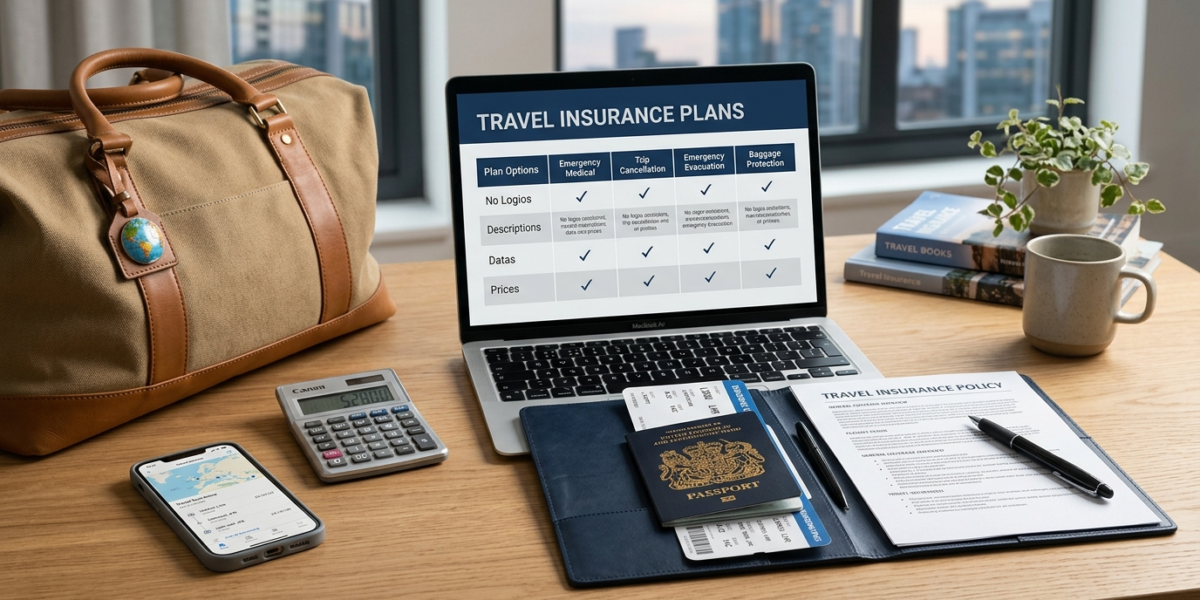
For example, comparison services can display different plans according to trip details and allow travelers to compare benefits such as cancellation, interruption, medical evacuation, baggage protection, and other coverage.
However, comparison results should still be reviewed carefully. A comparison table does not replace reading the actual policy documents.
What Makes a Travel Insurance Company Worth Considering?
Rather than looking for a universal winner, evaluate each provider against your own requirements.
A provider may be worth considering when its available policy:
• Covers your destination
• Covers the full duration of your trip
• Provides appropriate medical protection
• Includes suitable emergency evacuation protection
• Matches your cancellation concerns
• Covers your planned activities
• Clearly explains exclusions
• Provides understandable policy documents
• Offers appropriate assistance services
• Fits your budget
• Meets the insurance requirements that apply to your trip
The company name matters, but the specific policy matters just as much.
FAQs
What are the best travel insurance companies?
There is no universal best travel insurance company for every traveler. The appropriate provider depends on your country of residence, destination, trip cost, coverage requirements, and policy terms.
What should I look for in travel insurance?
Compare emergency medical coverage, medical evacuation, trip cancellation, trip interruption, travel delay, baggage protection, exclusions, deductibles, pre existing condition rules, and assistance services.
Is cheap travel insurance worth it?
A low premium can be useful if the policy provides the protection you actually need. However, comparing price alone can overlook differences in coverage limits, exclusions, deductibles, and eligibility requirements.
Does travel insurance cover medical emergencies?
Many travel insurance policies provide some emergency medical coverage, but the amount and conditions vary. Check the medical limit, exclusions, authorization requirements, and treatment conditions before purchasing.
Does travel insurance cover pre existing conditions?
Not necessarily. Pre existing conditions may be excluded or covered only when specific requirements are satisfied. Review the policy definition and any waiver conditions carefully.
What is Cancel For Any Reason travel insurance?
Cancel For Any Reason coverage can provide broader cancellation flexibility than standard covered reason cancellation protection. It usually has specific purchase and cancellation deadlines and may reimburse only part of eligible trip expenses.
When should I buy travel insurance?
Buying earlier can be important because some benefits have purchase time requirements. Waiting until a potential problem is already known may prevent that event from being covered.
Does my credit card already include travel insurance?
Some credit cards provide travel related benefits, but the coverage, eligibility rules, limits, and conditions vary. Review the card’s benefits before assuming you already have sufficient protection.
Final Takeaway
The best travel insurance companies for one traveler may not be the best fit for another. Your destination, residence, trip cost, age, health coverage, planned activities, and concerns about cancellation can all change which policy makes sense.
Start by identifying the risks you want to protect against. Then compare medical coverage, evacuation protection, cancellation and interruption benefits, baggage protection, exclusions, deductibles, purchase deadlines, and assistance services.
Most importantly, read the policy terms before buying. Travel insurance is a contract with specific conditions, not a guarantee that every unexpected travel problem will be reimbursed. NAIC and the U.S. Department of State both emphasize reviewing coverage and exclusions carefully before travel.
If you are comparing policies for a specific trip, use the traveler’s country of residence, destination, dates, trip cost, age, and planned activities as the starting point. Those details are necessary to make a meaningful comparison.
Related Wealth Articles

American First Finance: A Complete Guide to Payment Options, Costs, and Customer Considerations
What Is American First Finance? American First Finance is a consumer financing company that offers payment solutions through…

Capital One Customer Service 24/7 Phone Number: How to Get Help
Finding the Capital One customer service 24/7 phone number can help you determine how to contact the company…
1 Discussion Comment