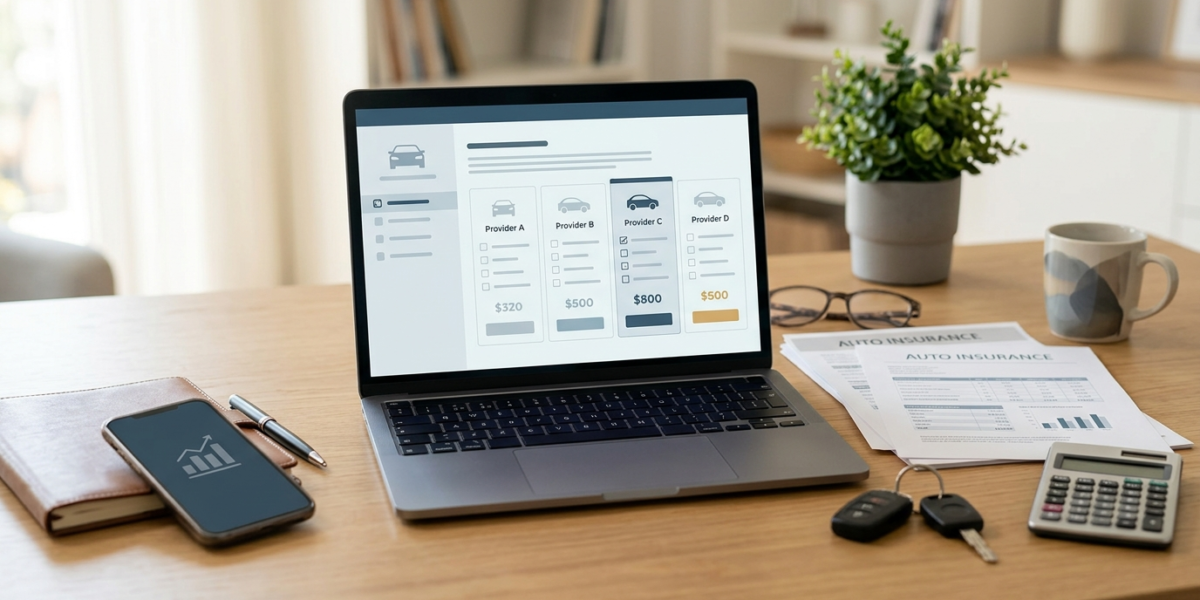
Free Car Insurance Quotes: How to Compare Coverage and Costs
Getting free car insurance quotes can be a useful first step when you want to understand your insurance options and compare potential costs. A quote gives you an estimate based on information about you, your vehicle, your driving history, the coverage you request, and other rating factors used by the insurer. A quote is not necessarily the final price, and the information used to calculate it can vary between insurers.
The most important part of comparing free car insurance quotes is to compare equivalent coverage rather than choosing a policy simply because its quoted premium is lower. The National Association of Insurance Commissioners recommends providing the same information and comparing matching coverages and limits when shopping between insurers.
If you are looking for free car insurance quotes, the process can usually begin online, through an insurance agent, or directly with an insurance company. The exact process depends on your location and the insurers available to you.
What Are Free Car Insurance Quotes?
Free car insurance quotes are estimates of what an insurer may charge for an auto insurance policy based on the information you provide. They allow you to review potential premiums before deciding whether to purchase coverage.
The word free refers to the quote itself. You generally do not need to purchase a policy simply because you requested an estimate. However, you should understand what information a quote website collects, where that information may be sent, and whether the website represents one insurer or connects you with several providers.
A quote is different from an insurance policy. A quote is an estimate based on information available at the time it is calculated. A policy is the actual insurance contract that explains your coverage, exclusions, limits, deductibles, obligations, and other terms.
Insurance regulators also point out that online quote systems do not always work in exactly the same way. Some websites provide estimates from a particular insurer, while others may collect information and connect consumers with agents or multiple companies. Some quotes may require additional verification before coverage can be issued.
Why Compare Free Car Insurance Quotes?
Insurance companies can charge different prices for similar coverage. The difference can come from the insurer’s pricing model, the information used in underwriting, the coverage selected, discounts, deductibles, and other factors.
That is why comparing free car insurance quotes can help you understand the range of prices available to you instead of assuming that your current insurer has the lowest premium.
The goal should not simply be to find the smallest number. A cheaper quote may include lower limits, different deductibles, fewer optional protections, or different terms. A meaningful comparison looks at both price and coverage.
The CFPB advises consumers to compare insurance options before buying or financing a vehicle and to compare coverage as well as cost.
How Free Car Insurance Quotes Work
The quoting process generally starts with questions about the vehicle, drivers, location, driving history, and desired coverage.
The insurer then uses the information to estimate risk and calculate a potential premium. Different insurers can evaluate the same information differently, which is one reason two companies may return different quotes.
A typical quote process may ask for:
Vehicle information
You may need the vehicle’s make, model, year, identification information, estimated annual mileage, and details about safety or anti theft equipment. The Insurance Information Institute notes that vehicle information and expected use can be important when obtaining a quote.
Driver information
Insurers may request information about the drivers who will be covered, including age, driving history, and other relevant details. Household drivers can also matter when determining coverage and premium.
Location
Where a vehicle is kept and driven can affect insurance pricing. Local accident patterns, theft, repair costs, regulations, and other factors can differ significantly between areas.
Coverage choices
The amount and type of coverage you request can have a major effect on the quote. Liability coverage, collision coverage, comprehensive coverage, medical related protection, uninsured or underinsured motorist protection, rental reimbursement, roadside assistance, and other options may be available depending on the jurisdiction and insurer.
Deductibles
A deductible is the amount you may have to pay toward a covered loss before the insurer pays according to the policy. In general, choosing a higher deductible can reduce the premium, but it also means you may have a larger out of pocket expense after a covered claim.
What Information Do You Need for Free Car Insurance Quotes?
Preparing your information before requesting free car insurance quotes can make comparison shopping easier and reduce the chance of entering different information into different quote forms.
For the vehicle, gather the make, model, year, vehicle identification number if requested, approximate annual mileage, and information about safety or anti theft features.
For drivers, you may need names, ages, driving history, license information, and details about other drivers in the household.
You may also need your current coverage information if you are switching insurers. Having your declarations page or current policy information available can make it easier to compare similar limits and deductibles.
The Insurance Information Institute recommends knowing information about the vehicle, household, drivers, desired liability coverage, and deductible when shopping for auto insurance.
What Factors Affect Car Insurance Quotes?
Free car insurance quotes are not universal prices. They are personalized estimates based on information used by each insurer.
Common factors can include:
| Factor | Why it can matter |
|---|---|
| Driving history | Previous accidents or violations may affect pricing |
| Vehicle | Repair costs, safety features, theft risk, and vehicle characteristics can influence rates |
| Mileage | More driving can mean greater exposure to road risks |
| Location | Accident, theft, repair, and other local conditions can affect pricing |
| Coverage | Higher limits and additional coverage can increase premiums |
| Deductible | A higher deductible can sometimes reduce the premium |
| Driver information | Insurers may consider driver related characteristics permitted by local law |
| Claims history | Previous claims may be considered by some insurers |
| Not every insurer uses the same factors or gives them the same importance. The Insurance Information Institute explains that auto insurance premiums can depend on the vehicle, how it is used, location, driving record, selected coverage, and other factors. |
Free Car Insurance Quotes and Coverage Types
Understanding coverage is essential before comparing quotes because the cheapest premium may not provide the protection you actually need.
Liability coverage
Liability insurance generally helps cover certain losses when you are legally responsible for injuries to other people or damage to their property. Required limits vary by jurisdiction.
Minimum legal requirements are not necessarily the same as the amount of coverage that is appropriate for every driver. When comparing free car insurance quotes, look at the actual liability limits rather than only the premium.
Collision coverage
Collision coverage can help pay for covered damage to your vehicle resulting from a collision, subject to the policy terms and deductible.
Whether it makes sense for you depends on factors such as your vehicle’s value, your financial situation, your lender’s requirements if the vehicle is financed, and the cost of the coverage.
Comprehensive coverage
Comprehensive coverage generally applies to certain types of vehicle damage other than collision, subject to policy terms and exclusions. Examples can include some losses caused by theft, vandalism, weather, or other covered events.
The exact protection varies by policy and jurisdiction, so the policy documents should be reviewed before relying on a particular type of protection.
Uninsured or underinsured motorist coverage
This coverage can provide protection in certain situations involving a driver who has insufficient or no applicable liability insurance. Availability and requirements differ by jurisdiction.
Medical or injury related coverage
Depending on the location, policies may include medical payments coverage, personal injury protection, or other injury related protections. Rules and benefits can differ substantially between jurisdictions.
How to Compare Free Car Insurance Quotes Correctly
The best way to compare free car insurance quotes is to make the comparison as consistent as possible.
Suppose one insurer quotes a policy with a lower liability limit and a higher deductible while another insurer quotes higher liability limits and a lower deductible. Comparing only the premiums would not provide a meaningful price comparison.
Instead, create a simple comparison table containing:
- Insurer
- Liability limits
- Collision coverage
- Comprehensive coverage
- Deductibles
- Uninsured or underinsured motorist coverage
- Optional protections
- Discounts
- Payment options
- Estimated premium
The NAIC specifically recommends using matching coverage and limits when comparing quotes because different coverage combinations can make one quote appear cheaper even when the policies are not equivalent.
How to Get Free Car Insurance Quotes Online
Online shopping can make it easier to request multiple estimates, but consumers should understand what they are agreeing to before submitting personal information.
Start by identifying several insurers or licensed agents that serve your location. Use the same driver, vehicle, mileage, coverage, limit, and deductible information for each quote.
Read the questions carefully. An incorrect answer can result in an inaccurate estimate and may create problems later if the information is materially different from your actual circumstances.
After receiving a quote, review the coverage details rather than focusing only on the displayed premium.
Some online quote platforms may connect you with agents or other insurance providers. Others may represent a specific insurer. The NAIC notes that online quote processes can vary and that some websites may not provide immediate final quotes.
Can Free Car Insurance Quotes Really Be Free?
A quote can generally be obtained without purchasing the policy, but free does not necessarily mean that no personal information will be requested.
Quote forms may require information needed to calculate an estimate. Before submitting information, check who operates the website and whether your information may be shared with agents, insurers, or other parties.
Be cautious with websites that make unrealistic promises about extremely low premiums or guaranteed savings. Insurance prices depend on individual circumstances, location, coverage, and insurer specific underwriting.
A legitimate quote should help you understand a potential insurance cost without requiring you to believe an unsupported savings claim.
How to Find Lower Car Insurance Costs
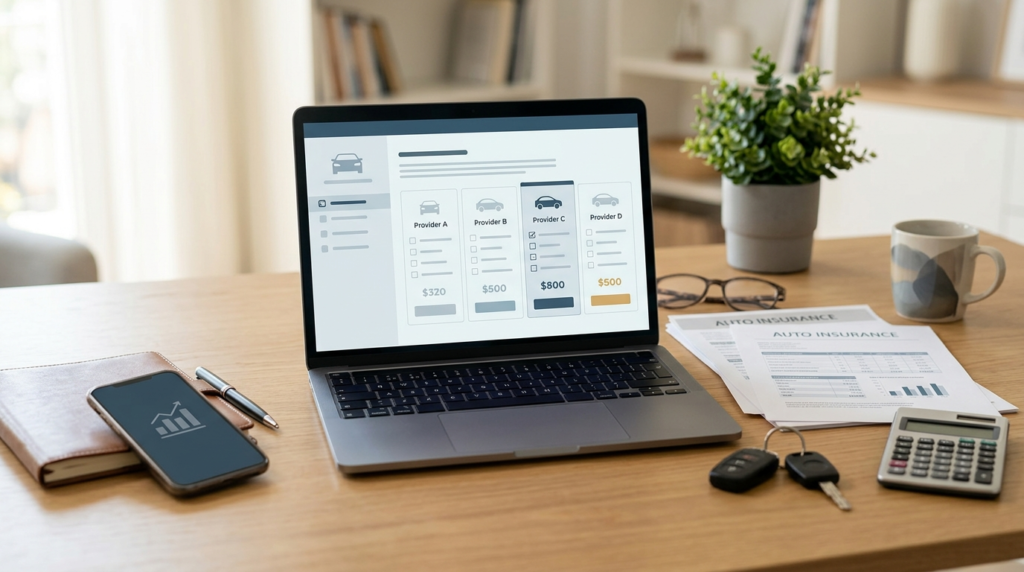
There is no single method that guarantees a lower premium for every driver. However, comparison shopping can reveal different prices for similar coverage.
You can also ask insurers which discounts may be available to you. Depending on the insurer and location, discounts may relate to safe driving, multiple policies, vehicle safety features, defensive driving courses, mileage, or other qualifying circumstances.
Another consideration is the deductible. A higher deductible may reduce the premium in some cases, but it increases the amount you would need to pay yourself after a covered loss.
The NAIC notes that insurers can offer different discounts and that premiums can vary substantially between companies.
Do not remove important coverage solely to make a quote cheaper. A lower premium can come with greater financial exposure after an accident or other covered event.
What Is the Difference Between Cheap and Affordable Car Insurance?
Cheap car insurance usually refers to a low premium. Affordable insurance is broader because it considers whether the policy provides suitable protection at a cost that fits the driver’s budget.
For example, a policy with a very low premium might have high deductibles or limited coverage. Another policy could cost more but provide higher limits and additional protection.
The right comparison therefore depends on your financial circumstances and the risks you are trying to manage.
Instead of asking only, “Which quote is cheapest?” consider asking:
Does this policy meet the legal requirements where I live?
Are the liability limits appropriate for my circumstances?
Can I afford the deductible?
Does the policy protect the vehicle adequately?
Are important exclusions or limitations clear?
Does the insurer have a claims process I understand?
These questions can make a price comparison more meaningful.
Free Car Insurance Quotes for a New Car
Insurance should be considered before purchasing a new vehicle because the cost of insurance forms part of the overall cost of owning a car.
Different vehicles can produce different insurance costs because insurers may consider factors such as repair expenses, vehicle characteristics, safety equipment, theft risk, and how the vehicle is used.
If you are financing or leasing a vehicle, the lender may also require particular insurance coverage. The CFPB advises consumers to consider insurance when shopping for a vehicle and notes that lenders generally require insurance for financed vehicles.
Obtaining free car insurance quotes before finalizing a vehicle purchase can therefore help you understand the broader ownership cost rather than focusing only on the vehicle payment.
Free Car Insurance Quotes When Switching Insurers
You can request free car insurance quotes even if you already have an insurance policy.
Before switching, compare your current policy with the new quote carefully. Check coverage limits, deductibles, exclusions, optional protections, payment arrangements, and effective dates.
Avoid creating an unintended gap in coverage. If you decide to switch, confirm when the new policy becomes active and understand the cancellation process for the existing policy.
It can also be useful to ask your current insurer whether there are available discounts or coverage adjustments before making a final decision.
However, a current insurer should not automatically be assumed to have the lowest price. Comparison shopping can show whether other insurers offer different pricing for comparable coverage.
Common Mistakes When Comparing Free Car Insurance Quotes
Comparing only the premium
A low price does not tell you everything about a policy. Always examine the coverage limits and deductibles.
Using different information for each quote
If you change mileage, drivers, coverage limits, deductibles, or other important information between quote forms, the results may not be directly comparable.
Choosing minimum coverage without understanding the risks
Minimum required coverage can be an important starting point, but it may not address every financial risk you face.
Ignoring deductibles
A low premium with a high deductible may create a larger financial obligation when you make a covered claim.
Failing to disclose household drivers
Insurers may require information about drivers who regularly use the vehicle or live in the household. Requirements differ, so answer quote questions accurately.
Assuming an online quote is final
Some quotes may require additional information or verification before an insurer confirms the final price or offers coverage.
Giving personal information to unknown websites
Before submitting sensitive information, check the website’s identity, privacy information, and relationship with insurance providers.
Questions to Ask Before Buying a Policy
Before choosing among free car insurance quotes, ask the insurer or agent:
What coverage is included?
What limits apply?
What deductibles apply?
What exclusions should I understand?
What discounts are included?
Can the premium change after additional information is verified?
How do I file a claim?
What happens if another person drives my vehicle?
Is rental vehicle coverage included?
Is roadside assistance included?
What happens if my vehicle is totaled?
What payment options are available?
Are there additional charges for certain payment arrangements?
The NAIC’s consumer shopping tool recommends asking questions about required coverage, liability limits, deductibles, discounts, payment options, claims service, rental coverage, and other policy details.
When Should You Get Free Car Insurance Quotes?
There is no universal date that is best for every driver. You may want to compare quotes when your current policy is approaching renewal, when you buy another vehicle, when you move, when your driving circumstances change, or when you simply want to check whether comparable coverage is available elsewhere.
You can also review your insurance after major changes such as adding or removing a vehicle or driver.
Even if your current insurer has served you well, periodic comparison shopping can help you understand whether the market has changed for your circumstances.
A Simple Free Car Insurance Quotes Comparison Checklist
Before requesting quotes, gather your vehicle and driver information.
Decide which coverage types and limits you want to compare.
Choose deductible amounts that you could reasonably afford after a covered loss.
Request quotes from multiple insurers or licensed agents.
Use consistent information for every quote.
Record each insurer’s premium and coverage details.
Check available discounts.
Review exclusions and limitations.
Verify that the insurer is licensed where required.
Compare claims service and other policy features.
Read the policy documents before purchasing.
The NAIC recommends checking that an insurer and agent are properly licensed before purchasing insurance and encourages consumers to shop around rather than relying on one quote.
How Many Free Car Insurance Quotes Should You Get?
There is no universal number that guarantees a useful comparison. The practical goal is to obtain enough comparable quotes to identify differences in pricing and coverage without making the process unnecessarily complicated.
More quotes can reveal a wider range of premiums, but the quality of the comparison matters more than collecting a large number of incomplete or mismatched estimates.
A smaller set of carefully matched quotes can be more useful than many quotes based on different coverage levels.
Are Online Free Car Insurance Quotes Accurate?
Online quotes can provide useful estimates, but accuracy depends on the information entered and the insurer’s quoting process.
A quote can change if information is missing, incorrect, or later verified differently. The insurer may also require additional documentation before determining the final premium.
For this reason, treat a quote as an estimate until the insurer confirms the applicable terms and price.
The NAIC notes that some online quote processes require further confirmation and that not all websites provide immediate quotes.
What to Do After Receiving Free Car Insurance Quotes
Do not immediately select the lowest number.
First, check whether the quotes use the same coverage limits and deductibles. Then review optional protections, discounts, payment arrangements, exclusions, and important policy conditions.
If one quote is significantly cheaper, investigate why. It may reflect different coverage, a different deductible, a different rating assumption, or another difference in the policy.
You can also contact the insurer or agent and ask for clarification on anything you do not understand.
Once you have selected a policy, make sure the effective date is clear and that you understand when your previous coverage ends if
6. FAQ SECTION
Are free car insurance quotes really free?
A quote is generally an estimate provided before purchasing a policy, but obtaining one may require you to provide personal and vehicle information. Check how the website handles your information before submitting it.
How can I compare free car insurance quotes?
Use the same driver, vehicle, coverage limits, deductibles, and other relevant information for each quote. Then compare both the premium and the actual policy protection.
Why are my car insurance quotes different?
Insurers can use different pricing models and rating factors. Differences can also result from coverage limits, deductibles, discounts, vehicle information, driving history, location, and other circumstances.
Is the cheapest car insurance quote always the best option?
Not necessarily. A lower premium can reflect lower limits, higher deductibles, fewer optional protections, or other policy differences. Compare equivalent coverage before making a decision.
Can I get free car insurance quotes online?
Many insurers and insurance marketplaces offer online quote processes, although availability and the information required can vary by location. Some online systems may require additional verification.
Does my driving history affect car insurance quotes?
Driving history can be one factor used in auto insurance pricing. Accidents and traffic violations may affect premiums depending on the insurer and applicable local rules.
Can I get quotes before buying a car?
Yes. Comparing insurance costs before buying a vehicle can help you understand the broader cost of ownership. Insurance requirements may also apply when a vehicle is financed or leased.
Should I compare insurance quotes every year?
Reviewing your coverage and comparing available options periodically can help you understand whether your current price remains competitive for comparable protection. You should also review coverage after significant changes in your vehicle, household, location, or driving circumstances. you are switching insurers.
Final Takeaway
Free car insurance quotes can make it easier to compare potential insurance costs, but the most useful comparison goes beyond the premium. Coverage limits, deductibles, exclusions, vehicle characteristics, driving history, location, mileage, discounts, and insurer specific pricing can all affect the result.
Start by gathering accurate information and deciding what protection you need. Then request comparable quotes from multiple insurers or licensed agents. Use the same information wherever possible so that the results are easier to compare.
Remember that insurance requirements and available coverage vary by location. Verify legal requirements, policy terms, current pricing, and eligibility directly with the relevant insurer or insurance regulator before purchasing.
The purpose of free car insurance quotes is not simply to find the smallest price. It is to understand your available options and make a comparison based on both cost and protection.
Related Wealth Articles

Working Capital Management Tutorial Explained: A Practical Guide
Working capital management is the process of managing a business’s short-term assets and liabilities to support daily operations,…

Capital One Auto Navigator: A Guide to Car Shopping and Financing
What Is Capital One Auto Navigator? Capital One Auto Navigator is a car-shopping and financing platform designed to…